Brian Dunn M.S., LPC-Associate, NCC, CSCS
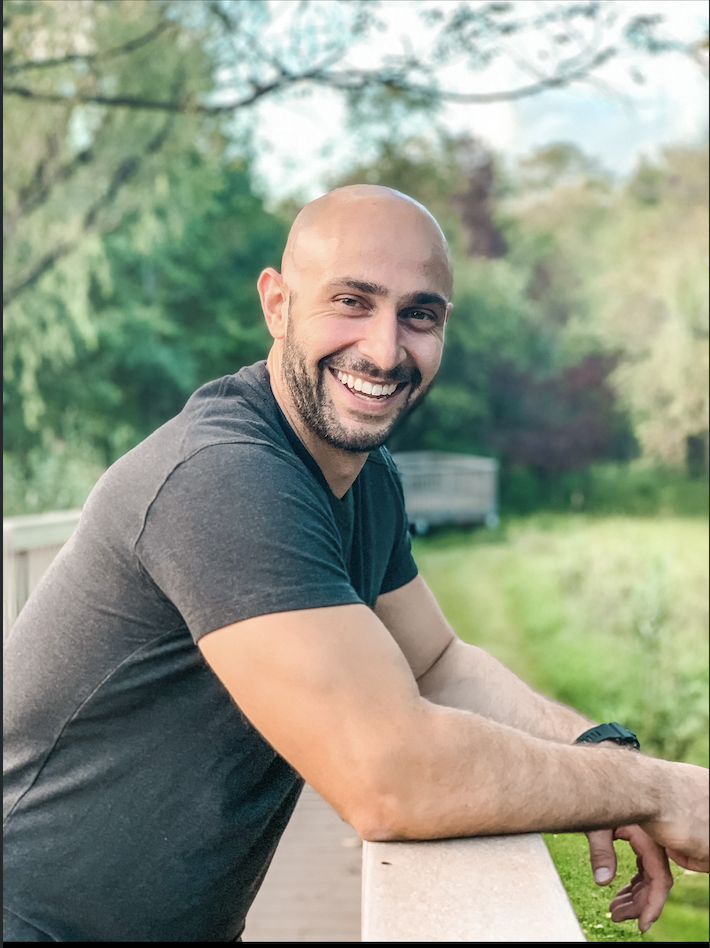
I grew up just outside Detroit, Michigan, where I spent much of my childhood playing hockey. Through years of competition and eventually playing in college, I developed an appreciation for discipline, resilience, and the pursuit of continual growth. But what interested me most wasn't simply performance. It was people. I found myself drawn to understanding why we think the way we do, how we respond under pressure, what helps us adapt through adversity, and what allows someone not only to perform, but to genuinely thrive.
After my hockey career ended following multiple head injuries, those questions became even more personal. They led me into strength and conditioning, where I spent nearly 20 years working with athletes and people from all walks of life to become stronger, move better, recover from setbacks and build confidence in themselves.
Over the years, I became increasingly interested in what could not always be addressed through training alone. Why does the person adapt while another gets stuck? Why is it that someone understands exactly what they need to do and still struggles to change? What happens when you accomplish a goal and still don’t feel the way you expected to feel? How can pressure, and the way we see ourselves affect how we feel, function and perform?
I learned that how we feel, function, and perform is rarely determined by just one thing. Our physical health, emotional well-being, relationships, stress, environment, experiences, and sense of purpose are interconnected, and each can influence how we show up in life.
The longer I worked with people, the clearer it became. No part of us operates in isolation. It’s not always obvious how our physical health, emotional well-being, relationships, stress, environment, experiences, identity, and sense of purpose can influence one another in ways that are not always obvious.
This realization ultimately led me to pursue a master's degree in clinical mental health counseling and become an LPC-Associate. Today, my work draws from experiences in psychotherapy, Emotional Transformation Therapy, mental performance, and nearly two decades in strength and conditioning and human performance.
Not because they are the same service. They are not. Each has given me a different perspective on people, performance, growth, and change.
Why Life Well Dunn
Life Well Dunn was built from a simple belief: people aren't meant to be understood in isolated pieces.
Whether you're an athlete navigating the demands of competition, a driven person carrying the weight of expectations, someone working through anxiety, trauma, pain, or a difficult season of life, or simply someone who wants to feel and function better, I believe it's important to understand the person, not just the symptom, struggle, or goal in front of them.
We don’t begin with assumptions about what something must mean.
Anxiety does not automatically tell us why someone is anxious. Difficulty concentrating does not automatically tell us what is interfering with focus. A performance struggle doesn’t always mean you need to work harder on your mindset. And understanding a pattern exists does not always mean that pattern has changed.
We get curious about what is happening, what might be contributing to it, and where the work actually needs to happen.
Investigate rather than assume.
More Than Performance
To me, performance isn't limited to a field, rink, gym, or workplace. It's our ability to meet the demands of our lives while continuing to grow, adapt, recover, and stay connected to who we are. This can happen in competition, or in relationships, work, school, parenting, leadership, health, recovery, and every day life.
Sometimes that means pursuing more. Sometimes it means healing. And sometimes it means to learn to respond differently to something that has been there for a long time, developing the capacity to handle what's already in front of us without immediately needing to push harder, solve it, avoid it, or outrun it.
The goal isn’t to take away the qualities that have helped you succeed. Drive, discipline, ambition, competitiveness, and high standards are all valuable.
Sometimes the work is simply different.
You do not need less drive. You may need another way forward.
Looking back, I don't see my hockey career as something that ended. I see it as the beginning of the questions that have shaped the rest of my career. The athlete, coach, performance professional, and therapist parts of my career have all influenced how i understand people today. Each has taught me something different about challenge, adaptation, identity, relationships, recovery, performance and change.
In many ways, losing hockey didn't take me away from my purpose, it helped me find it.
Credentials
Brian Dunn, M.S., LPC-Associate, NCC, CSCS
Licensed Professional Counselor Associate (TX: 103737), supervised by Dr. Steven Vazquez, LPC-S, LMFT
Emotional Transformation Therapy (ETT®) Complex Trauma Certified Therapist
17+ years of strength and conditioning coaching (Certified Strength & Conditioning Specialist, CSCS)
Certified Breathing Behavior Analyst
Mental Performance Mastery Certified Coach
Power Athlete Block One Coach
IYCA Certified Speed & Agility Specialist
Precision Nutrition Level 1 Certified
Request a Confidential Consultation
Submit the inquiry form to facilitate a conversation about how personalized therapy can support your objectives.